Epoxy Flooring Birmingham covers Moody and the surrounding St. Clair County communities along I-20 for garage floor coatings, shop and outbuilding floors, basements, patios and driveways.
Bigger lots, more concrete
Moody grew steadily as the eastern edge of the metro extended along the interstate, and the housing sits on noticeably larger lots than the inner suburbs allow.
The practical consequence is that a Moody property often has more than one concrete floor worth coating. The attached garage, and then a detached shop, a pole barn, a workshop building or a covered equipment bay.
Those outbuildings are frequently the more interesting job, and they are the least predictable concrete we deal with.
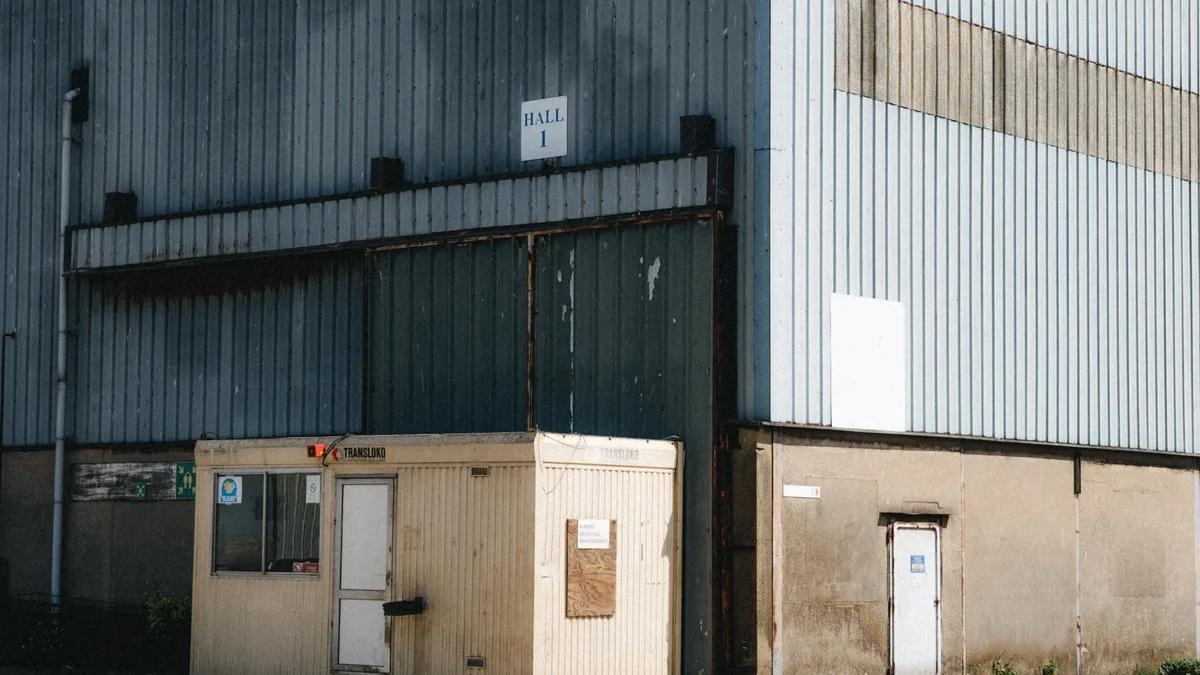
Shop buildings and pole barns
Worth its own section because it is what distinguishes work here.
These slabs were usually poured as a separate project from the house, sometimes years later, and the quality varies enormously depending on who did it and when. Some are excellent, thick and properly finished. Others are thin, uneven, or poured directly onto graded earth with no vapour barrier and no proper base.
Three things we check on any outbuilding slab:
Moisture. A slab poured on bare ground with no barrier will carry vapour, and a low-permeability coating over it lifts from underneath. On a shop building this is the single most likely reason a coating fails, and it is the reason we test rather than assume.
Flatness and finish. Some of these were floated by hand rather than power-trowelled, which actually helps adhesion but can leave an uneven surface. That matters for how the finished floor looks, particularly with any glossy system.
Edge condition. Outbuilding slabs frequently have unprotected edges at the door line that have been chipping for years. Those get rebuilt before anything goes down.
Working shops, and what they need
A high proportion of these buildings are genuinely working: welding, fabrication, vehicle work, equipment maintenance, woodworking.
That changes the specification away from appearance and toward performance. Chemical resistance against solvents, cutting oil, brake fluid and battery acid. Film build that takes point loading from jack stands and dropped tools. Aggregate in the topcoat, because a workshop floor gets oil on it and a glossy floor with an oil film is dangerous.
Hot tyres matter here too if vehicles come in and out, which is the argument for a flexible polyurea base rather than a rigid epoxy.
Where there is a lift, the coating has to terminate cleanly around the base plates rather than run underneath. See auto shop floor coating for that detailing.
Unheated buildings and temperature
Detached shops out here are almost never heated or conditioned, which means the slab swings through the full annual range: near freezing on a January night, well over 40°C under a metal roof in August.
A metal building amplifies this considerably compared with a masonry one. Concrete expands and contracts through that range, and a rigid coating resists that movement and eventually loses at the bond line.
Flexibility is not a luxury in an unheated metal shop. It is the reason the floor is still attached in five years.
The residential side
Standard modern picture in the subdivisions: vapour barriers under the slabs, power-trowelled finishes that need proper grinding, three-car garages common, and the third bay doing everything except holding a car.
Red clay is the local variable as it is across this side of the metro, and the answer is the same: warm blends with tan or beige in them rather than cool greys.
On the larger lots there is usually more soil coming in than in a tight suburban subdivision, which makes that colour decision worth more here than closer to town.
Getting to you
Moody is around thirty minutes east along I-20. It is a regular area and surveys are free with no travel charge. Leeds and Irondale sit between us and you on the same corridor.
Access is worth mentioning when booking if the shop building is set back on the property or reached by a gravel track, simply so we bring the right equipment.
The honest version
On a subdivision garage, straightforward and usually a single day.
On a shop building, we would rather test the slab than guess. A pole barn floor poured on graded earth twenty years ago may be perfectly coatable or may be pushing vapour continuously, and the only way to know is to measure. That test costs very little against the price of doing the floor twice.
And on any working shop, the specification should be driven by what actually happens in the building rather than by what looks good in a photograph. Tell us what you do in there and the recommendation follows from that.
For the full process, see garage floor coating.
Common questions from Moody
Can you coat a pole barn floor?
Often yes, but that one starts with a moisture test. Slabs poured on graded earth without a vapour barrier are the most common cause of failed coatings on outbuildings.
Our shop is unheated metal. Does that matter?
It does. A metal building swings further in temperature than a masonry one, and that movement is why a flexible system rather than a rigid one is the right choice.
We weld and do vehicle work in the shop.
That drives the specification. Chemical resistance, more film build for point loads, and aggregate for grip because oil on a glossy floor is a hazard.
Can you do the house garage and the shop together?
Usually more efficient that way, because setup and mobilisation only happen once. Worth quoting both together even if you only do one now.
Which blend for a garage that gets a lot of dirt?
Warm blends with tan or beige. On larger lots there is more soil coming in and the decision matters more than it does in town.
Our shop is at the back down a gravel track.
Mention it when you book. It is manageable, we just want to bring the right equipment rather than find out on the morning.
Get a free quote
Tell us the space and roughly how big it is. We'll come measure it, and you get the scope and the price in writing.